

Artificial intelligence has quickly become part of everyday work. It can write emails, analyze spreadsheets, summarize legal documents, create images, generate code, and handle many repetitive tasks in seconds. That progress has raised an important question for workers and career planners: Which jobs AI can’t replace, and which roles could become vulnerable as technology improves?
The reality is more nuanced than the headlines suggest. AI is changing the way people work, but that does not mean it will eliminate every human career. In many industries, technology takes over specific tasks rather than replacing an entire job.
The jobs that will survive AI are often those that depend on human judgment, empathy, creativity, trust, communication, physical presence, or the ability to respond to unpredictable situations. A teacher, nurse, skilled tradesperson, therapist, manager, or emergency worker, for example, does far more than complete a checklist. These professionals read situations, understand people, make decisions, and adapt when things do not go according to plan.
That is why the future of work may be less about humans competing directly with machines and more about people working alongside them. AI can handle repetitive and data-heavy tasks, giving workers more time to focus on responsibilities that require experience, emotional intelligence, critical thinking, and personal connection.
In other words, the careers machines can’t replace will likely be built around abilities that remain difficult to automate completely. As AI continues to advance, workers who combine technology skills with strong human capabilities may be in the best position to remain valuable in a changing job market.
Table of Contents
101 Jobs That AI Can’t Replace Across 12 Fields
The jobs that survive tend to share a few traits: they require hands-on physical dexterity in messy, unpredictable environments; they depend on emotional intelligence and trust; they involve high-stakes decisions with real accountability; or they demand original creative or strategic judgment rather than pattern-matching.
“AI doesn’t have to be evil to destroy humanity—if AI has a goal and humanity just happens to be in the way, it will destroy humanity as a matter of course without even thinking about it, no hard feelings.” — Elon Musk, CEO of SpaceX and Tesla
Below are 101 jobs, grouped into categories, that are positioned to remain firmly human for the foreseeable future, along with the reasons each one resists automation.
1: Skilled Trades (Electricians, Plumbers, HVAC Technicians)
Skilled trades are consistently ranked among the most automation-resistant careers, and for good reason. Wiring a century-old house, snaking a pipe through a wall cavity, or diagnosing a strange rattle in an HVAC unit all require a combination of physical dexterity, spatial reasoning, and split-second troubleshooting that no robot currently matches outside of a lab setting.
1. Electricians
Electricians diagnose and repair wiring inside walls, panels, and fixtures that rarely follow a textbook layout. Every building has its own quirks — outdated wiring, DIY modifications, or code violations hidden behind drywall. This forces electricians to think on their feet, testing circuits, tracing faults by hand, and adapting to whatever a previous owner or contractor left behind. No two job sites are identical, which is exactly why this trade resists automation.
2. Plumbers
Plumbing work happens mostly out of sight, inside walls, under slabs, or beneath yards. Pipe systems vary wildly by property age, material, and layout, so plumbers rely on physical troubleshooting — listening for leaks, feeling for pressure changes, and manually accessing tight, awkward spaces. A machine can’t crawl under a house and judge corrosion by touch. This tactile, improvisational problem-solving keeps plumbing firmly a human trade.
3. HVAC Technicians
HVAC technicians diagnose mechanical issues using sound, vibration, and feel — skills that are almost impossible to replicate digitally. Systems are often crammed into attics, crawlspaces, or rooftop units requiring improvised access. A skilled technician can often identify a failing compressor just by listening to it run. This sensory diagnostic ability, combined with physical maneuvering in tight spaces, makes the job deeply resistant to automation.
4. Carpenters
Carpentry blends craftsmanship with constant on-site problem-solving. Blueprints rarely match reality perfectly — walls are out of square, materials shift, and custom fabrication is often required mid-project. Carpenters must adapt designs in real time, using judgment that comes from experience, not code. This creative, physical adaptability is precisely what keeps skilled carpenters in high demand despite advances in prefabrication technology.
5. Welders
Welding demands precise manual control in environments that constantly change — different metals, positions, temperatures, and structural conditions. Whether it’s a factory floor or an outdoor pipeline, welders must adjust technique on the spot. Steady hands and real-time judgment calls simply can’t be outsourced to a machine. This combination of precision and adaptability keeps welding a stubbornly human skill.
6. Roofers
Roofing is physically demanding work performed in shifting weather, uneven structures, and unpredictable conditions. No two roofs age or sag the same way, and safety requires constant physical adjustment — balance, footing, and material handling change with every job. Automation struggles with this level of environmental variability, which is why roofing remains one of the most stubbornly manual trades in construction.
7. Masons and Bricklayers
Masonry is hand-crafted structural work requiring both physical skill and material judgment. Mortar consistency, brick alignment, and weather conditions all shift from project to project. A mason must “feel” when a joint is right, something no robotic arm can replicate at scale. This blend of artistry and structural precision is why bricklaying has survived centuries of technological change largely untouched.
8. Locksmiths
Locksmiths troubleshoot unique mechanical and increasingly electronic lock systems on-site, often under time pressure. Every lock, safe, or security system has its own quirks, shaped by age, brand, and wear. This requires hands-on manipulation, testing, and problem-solving that varies case by case. The infinite variety of mechanisms in the field makes locksmithing a trade that resists standardized, automated solutions.
9. Elevator Installers and Repairers
This trade involves complex mechanical troubleshooting inside confined, variable shafts and machine rooms. Every building’s elevator system has different age, wiring, and mechanical quirks, requiring technicians to physically inspect, test, and adjust components by hand. The combination of tight spaces, safety-critical systems, and inconsistent equipment across buildings makes this one of the most automation-resistant skilled trades in the industry.
10. Heavy Equipment Operators
Operating bulldozers, excavators, and cranes requires real-time physical control on terrain that’s never perfectly predictable. Soil conditions, weather, and site obstacles constantly shift, demanding split-second adjustments from the operator. While some automation exists, full replacement remains far off because human reflexes and situational awareness still outperform machines in chaotic, ever-changing outdoor environments.
11. General Contractors
General contractors coordinate multiple trades while constantly adapting plans to on-site surprises — delayed materials, code issues, or unexpected structural problems. Managing people, timelines, and unpredictable conditions requires human negotiation and judgment. No software can fully replace the relationship-driven, problem-solving nature of running a job site where every day brings a new curveball to manage.
12. Painters (Residential/Commercial)
Painting requires physical craftsmanship adapted to unique surfaces, textures, and client preferences. Every wall, trim piece, or exterior surface behaves differently depending on material and condition. Clients also expect personalized color matching and finish quality that machines can’t judge visually or emotionally. This human touch, paired with adaptable technique, keeps painting a resilient hands-on trade.
13. Glaziers
Glaziers install glass with extreme precision in custom, non-standard structures — storefronts, skylights, and curved architectural features. Every installation involves unique measurements, angles, and structural tolerances that shift from building to building. Handling fragile, heavy materials safely while adapting to imperfect frames requires physical dexterity and judgment that automation simply cannot replicate reliably.
14. Millwrights
Millwrights assemble, align, and repair industrial machinery by hand, often inside working factories with tight tolerances. Precision alignment of heavy equipment requires tactile feedback and mechanical intuition built through years of experience. Because every machine and facility setup differs, millwrights must constantly adapt their approach — a level of hands-on flexibility robots still can’t match.
Why These Trades Are Truly Future-Proof
Across all 14 careers, one theme repeats: unpredictability defeats automation.
- Every building, machine, and job site is physically different
- Diagnosis often relies on touch, sound, and instinct, not just data
- Confined or shifting environments require human adaptability
- Client-specific and safety-critical decisions demand real-time judgment
“The coming era of Artificial Intelligence will not be the era of computers, but the era of augmented humanity.” — Dr. Fei-Fei Li, Co-Director of the Stanford Human-Centered AI Institute
AI tools are starting to help tradespeople with scheduling, diagnostics support, and inventory management, but the physical work of repairing, installing, and troubleshooting stays firmly in human hands.
If anything, demand for skilled trades is rising as fewer young workers enter these fields while infrastructure continues to age.
2: AI-Proof Healthcare Careers That Robots Simply Can’t Replace
Healthcare consistently ranks as one of the most automation-resistant industries on the planet, and nursing sits right at the top of that list.
Why? Because the job isn’t just about knowledge — it’s about hands-on care, emotional intuition, and split-second judgment calls that no algorithm can replicate.
A single nursing shift might involve adjusting medication based on a patient’s subtle physical changes, comforting a terrified family member, and physically helping someone who can’t move on their own. That’s not a task list. That’s a human skillset.
Below, we break down 17 healthcare careers that AI can support — but never replace.
15. Registered Nurses
Registered nurses deliver constant hands-on care that blends clinical training with real-time judgment. No two shifts look alike, and no two patients respond the same way to treatment. Nurses must read body language, interpret vague symptoms, and make fast decisions under pressure. They also provide emotional support during frightening, painful, or life-changing moments — something AI can flag in data but never genuinely offer. This constant human presence is exactly why nursing remains one of the most secure careers against automation, now and for decades to come.
16. Nurse Practitioners
Nurse practitioners combine clinical diagnosis with long-term, trust-based relationships. Patients return to them not just for prescriptions, but for continuity — someone who remembers their history and understands their context. This role is projected to see strong job growth, largely because it merges independent medical judgment with the kind of interpersonal trust patients want from a person, not a screen. AI can assist with documentation or flag risk factors, but it cannot build the rapport that drives patient compliance, follow-through, and genuine health outcomes.
17. Physicians and Surgeons
Physicians and surgeons rely on complex diagnostic reasoning paired with hands-on procedures and legal accountability for every decision made. Diagnosing isn’t just pattern-matching against symptoms — it requires weighing ambiguous, sometimes contradictory information and adapting mid-procedure when things don’t go as planned. Surgery demands fine motor precision guided by years of tactile experience. AI tools can support diagnostics by surfacing data patterns, but the final judgment call, the scalpel in hand, and the responsibility for outcomes remain firmly human.
18. Anesthesiologists
Anesthesiologists perform real-time physiological monitoring, making split-second dosage and technique adjustments as a patient’s body responds during surgery. Every patient metabolizes anesthesia differently, and vital signs can shift in seconds. This role requires constant vigilance, rapid problem-solving, and the ability to intervene instantly if something goes wrong. AI can track data streams, but it cannot physically respond to a crashing blood pressure reading with the speed and adaptive judgment an anesthesiologist brings to the operating table.
19. Emergency Room Physicians
ER physicians specialize in rapid triage under extreme time pressure, often working with incomplete or contradictory information. A patient might arrive unconscious, unable to explain symptoms, with family members giving conflicting accounts. Prioritizing cases, making fast diagnostic guesses, and adjusting treatment on the fly is the core of the job. This chaotic, high-stakes decision-making environment is precisely the kind of unpredictable scenario where AI systems struggle and human clinical instinct thrives.
20. Paramedics and EMTs
Paramedics and EMTs perform physical rescue work and triage in constantly changing field conditions — car accidents, collapsed buildings, or crowded public spaces. There’s no controlled environment here; every call is different, and decisions must be made in seconds without full information. This job demands physical strength, calm under pressure, and the ability to improvise. No robot can navigate a chaotic accident scene, lift a patient, and make life-saving decisions the way a trained paramedic can.
21. Physical Therapists
Physical therapists use hands-on manipulation and adaptive treatment planning based on how a patient’s body responds moment to moment. Recovery isn’t linear — a technique that worked yesterday might need adjusting today based on pain levels or mobility changes. This requires tactile feedback, empathy, and constant recalibration during sessions. AI can help design initial exercise plans, but it can’t physically guide a joint through a stretch or feel when a patient is compensating incorrectly.
22. Occupational Therapists
Occupational therapists build personalized rehabilitation strategies that evolve based on a patient’s daily progress and real-world challenges. Helping someone regain the ability to dress themselves or return to work involves creative problem-solving tailored to their specific home, job, and physical limitations. Every patient’s path looks different, and therapists must adjust constantly. This deeply individualized, hands-on approach is far beyond what automated systems can replicate.
23. Midwives
Midwives provide deeply personal, high-trust care throughout one of life’s most unpredictable and emotionally significant processes: childbirth. Labor can shift in minutes, requiring calm guidance, physical support, and split-second clinical judgment. Beyond the medical aspects, midwives offer reassurance and emotional presence that shapes how families experience birth. This blend of clinical skill and human connection is something no automated system could ever provide during such a vulnerable moment.
24. Dentists and Oral Surgeons
Dentists and oral surgeons combine fine motor skill with in-person diagnosis of pain, structural issues, and oral health conditions. Every mouth is anatomically unique, and procedures require precise, real-time adjustments based on what the dentist sees and feels. Diagnosing pain often involves patient conversation and physical examination that goes beyond X-rays. This hands-on precision work, performed in tight, sensitive spaces, remains firmly outside the reach of automation.
25. Phlebotomists
Phlebotomists rely on physical precision to draw blood from veins that vary wildly in size, depth, and visibility from person to person. Difficult veins, nervous patients, and awkward positioning all require adaptive, hands-on skill developed through experience. A robotic arm can’t feel for a vein the way a trained professional can. This tactile, patient-specific task is a clear example of physical healthcare work that automation simply can’t match.
26. Nursing Assistants (CNAs)
Nursing assistants provide constant physical caregiving and companionship for patients who need direct human contact throughout the day. This includes bathing, feeding, repositioning, and simply being present for someone who may be lonely, scared, or in discomfort. The role is physically demanding and emotionally significant, requiring patience and genuine care. No machine can replace the comfort of human touch and presence that CNAs offer daily.
27. Home Health Aides
Home health aides deliver daily, in-person assistance with mobility, hygiene, and emotional companionship, often for elderly or disabled clients living independently. This role requires adapting to each client’s home environment, routines, and personality — no two days look the same. Beyond physical tasks, aides often become a trusted, familiar presence in someone’s life. That relationship-driven, adaptive care is inherently human and resistant to automation.
28. Hospice Care Workers
Hospice care workers offer emotional presence and comfort during one of life’s most sensitive and personal stages: end-of-life care. This work requires deep empathy, patience, and the ability to support both patients and grieving families through unpredictable emotional terrain. There is no script for comforting someone in their final days. This profoundly human role depends entirely on genuine compassion — something technology cannot authentically replicate.
29. Psychiatrists
Psychiatrists rely on nuanced, evolving conversations with patients to diagnose conditions and adjust treatment plans over time. Mental health symptoms often shift subtly, and effective treatment depends on reading tone, body language, and unspoken cues during sessions. Trust between patient and psychiatrist builds gradually and directly impacts treatment success. AI chatbots may offer surface-level support, but they cannot replace the clinical judgment and human connection central to psychiatric care.
30. Respiratory Therapists
Respiratory therapists make real-time adjustments to breathing support based on how a patient physically responds to treatment. Conditions like asthma attacks or respiratory failure can change rapidly, requiring immediate hands-on intervention with ventilators and other equipment. This role demands quick thinking and physical dexterity under pressure. Monitoring equipment can assist, but the therapist’s ability to adapt treatment instantly is what keeps patients breathing safely.
31. Veterinarians
Veterinarians face a unique challenge: diagnosing and treating patients who can’t describe their symptoms. This requires physical examination skills, instinct, and experience-based judgment to interpret behavior, posture, and subtle physical signs. Every animal reacts differently to touch, stress, and treatment, demanding constant adaptation. This blend of detective work and hands-on care makes veterinary medicine one of the most automation-resistant fields in healthcare.
Why These Careers Are Built to Last
AI can help by flagging risk factors in patient data, streamlining documentation, or supporting diagnostic decisions. But it cannot:
- Hold a patient’s hand during a frightening diagnosis
- Adapt care instantly during an unpredictable medical crisis
- Build the trust that drives long-term patient relationships
- Physically comfort someone in pain or grief
Nurse practitioners are a strong example of where this is heading — taking on more diagnostic and treatment responsibility while relying on the human trust patients crave. As automation reshapes other industries, healthcare’s demand for hands-on, emotionally intelligent professionals isn’t shrinking. It’s growing.
3: Mental Health Jobs That Will Survive AI (And Why They’re Truly Future-Proof Careers)
Mental health care depends on something artificial intelligence fundamentally lacks: genuine lived experience and the ability to build authentic trust over time. If you’re researching jobs that will survive AI, this field is one of the clearest examples of work that stays firmly human.
Chatbot-based tools can offer basic coping scripts or a judgment-free space to vent. But licensed professionals offer something categorically different — a therapeutic relationship built on confidentiality, accountability, and a nuanced emotional read of a client’s state that no model can fake.
Below are ten future-proof careers in mental health and human services where the human element isn’t just preferred — it’s the entire point.
32. Licensed Therapists and Counselors
Therapy isn’t a script; it’s a relationship that deepens over months or years. Trust-based bonds built on emotional nuance simply cannot be replicated by a chatbot, no matter how sophisticated its responses sound. Licensed therapists track subtle shifts in a client’s mood, language, and behavior across sessions, adjusting treatment plans accordingly. They also carry legal and ethical accountability for outcomes — something no AI system can shoulder. This mix of continuity and emotional attunement makes this one of the most reliable jobs that will survive AI.
33. Social Workers
Social workers make judgment-heavy decisions about family safety and welfare that carry serious, sometimes irreversible, real-world consequences. Every case is different, shaped by cultural context, family history, and circumstances that resist standardization. A social worker must weigh conflicting information, gut instinct, and professional guidelines simultaneously — often under time pressure. Because their decisions can separate families or keep them together, this role demands human accountability and moral responsibility no automated system is equipped, or legally permitted, to provide.
34. Substance Abuse Counselors
Recovery is rarely linear, and relapse prevention depends on personal accountability and trust built between counselor and client. These professionals recognize warning signs long before a client voices them — a change in tone, missed appointments, defensive body language. That pattern recognition is paired with genuine human rapport, which research consistently shows improves recovery outcomes. Clients open up to people who’ve earned their trust, not to software, making this one of the more resilient future-proof careers in behavioral health.
35. Marriage and Family Therapists
Successful family therapy means reading unspoken tension and mediating deeply personal conflicts in real time. A skilled therapist notices who avoids eye contact, whose voice tightens, or when a pause says more than words. They then adjust their questions and interventions on the fly to de-escalate conflict or surface the real issue. This live, improvisational emotional reading — combined with neutrality and discretion — is nearly impossible to automate convincingly, especially in high-stakes family dynamics.
36. School Counselors
School counselors deliver in-person guidance blending academic advice with emotional support for students navigating both grades and growing pains. They’re often the first adult to notice a student struggling with anxiety, bullying, or trouble at home. Building that trust takes consistent, face-to-face presence over semesters or years. Students confide in counselors precisely because they’re human, present, and familiar — not because they’re efficient. This role sits at the intersection of mentorship and mental health, both deeply relational.
37. Child Protective Services Caseworkers
Few jobs carry higher stakes than making high-stakes, judgment-based decisions about a child’s safety. Caseworkers must interpret ambiguous, incomplete, and sometimes contradictory information from homes, schools, and families to determine risk. There is no dataset large enough to substitute for the contextual judgment required when a child’s welfare hangs in the balance. Legal accountability, ethical responsibility, and compassionate but firm decision-making make this an unmistakably human role.
38. Domestic Violence Advocates
Domestic violence advocates provide crisis support requiring trust, safety planning, and real-time emotional judgment. Survivors often arrive in a state of fear, shame, or shock, and advocates must build immediate rapport while assessing danger levels accurately. Safety plans are tailored to each survivor’s unique circumstances — housing, finances, children, and abuser behavior all factor in. This blend of urgent crisis response and deeply personalized planning demands human intuition and empathy no automated system can replicate.
39. Grief Counselors
Grief counseling is built almost entirely on presence and empathy during deeply personal loss. There’s no formula for helping someone process the death of a spouse, child, or parent — every grieving process unfolds differently. What matters most is a counselor’s ability to simply be present, listen without judgment, and validate pain in a way that feels genuine. This kind of authentic emotional companionship is something people instinctively seek from another human being, not a machine.
40. Rehabilitation Counselors
Rehabilitation counselors specialize in individualized planning for people recovering from injury or disability. Every client’s physical, emotional, and vocational needs are different, requiring counselors to blend medical understanding with personal motivation strategies. They coordinate with doctors, employers, and families while adapting plans as recovery progresses. This ongoing, highly personalized coordination — paired with the encouragement clients need during difficult recoveries — relies on human flexibility and compassion that rigid automated systems cannot offer.
41. Chaplains and Spiritual Counselors
Chaplains provide personal, faith-based comfort during crisis or loss, often in hospitals, hospices, or disaster settings. Their work requires deep cultural and spiritual sensitivity, meeting people exactly where they are in their belief system — or lack thereof. This is inherently relational, drawing on shared human experience, faith traditions, and genuine compassion. No algorithm can authentically offer spiritual comfort, because that comfort depends on shared humanity and, often, shared vulnerability.
Why These Careers Resist Automation?
Effective therapy and human-services work often depend on noticing what isn’t said as much as what is. A skilled counselor picks up on body language, tone shifts, and inconsistencies between words and behavior — then adjusts their approach instantly.
This layered emotional interpretation, paired with professional and ethical responsibility for a client’s wellbeing, is exactly the type of work that resists automation and defines the next wave of jobs that will survive AI.
Key takeaways:
- AI can support journaling prompts or between-session check-ins
- AI cannot replace the trust built over ongoing human relationships
- Legal and ethical accountability keeps these roles firmly human
- Crisis judgment and emotional nuance remain distinctly human skills
- These roles rank among the most genuinely future-proof careers available today
AI may become a helpful supplementary tool for administrative tasks or light between-session support. But the core therapeutic relationship is likely to remain human for a long time to come.
4: Education Jobs That Will Survive AI (And Why Teaching Stays a Future-Proof Career)
Education is frequently misunderstood as an easy target for automation, simply because so much content can technically be delivered through a screen. But if you’re mapping out jobs that will survive AI, teaching belongs near the top of the list.
In practice, a teacher’s job is not simply “transmitting information.” It’s classroom management, motivation, individualized feedback, and conflict resolution between students — all while adjusting lesson delivery in real time based on who looks confused or disengaged.
Add emotional support for children navigating difficult home lives, and it’s clear why education remains one of the more genuinely future-proof careers available today.
42. K-12 Classroom Teachers
Teaching a room of 25 kids means real-time classroom management, mentorship, and adapting lessons to individual students every single period. A good teacher reads the room constantly — who’s zoning out, who’s frustrated, who needs a harder challenge. They shift pacing, tone, and examples on the fly to keep everyone engaged. This live improvisation, paired with mentorship that shapes a child’s confidence, is exactly the kind of work that keeps classroom teaching firmly on the list of jobs that will survive AI.
43. Early Childhood Educators
Early childhood educators provide constant supervision and social-emotional development support for young children who are still learning how to share, communicate, and regulate emotions. This age group needs physical presence, not just instruction — a hug after a fall, a calm voice during a meltdown, hands-on guidance during play. These moments of nurturing and safety simply cannot be delivered through a screen, making this one of the most human-dependent roles in all of education.
44. Special Education Teachers
Special education teachers deliver individualized instruction adapted moment-to-moment to a student’s needs, often working with children who communicate differently or require unique accommodations. No two students respond to the same strategy, so teachers must constantly observe, adjust, and problem-solve in real time. This level of personalized, adaptive teaching — combined with deep patience and relationship-building — is precisely why this role remains one of the strongest future-proof careers in education.
45. School Principals and Administrators
Principals spend their days managing staff, discipline, and community relationships in person, often navigating sensitive situations between teachers, parents, and students simultaneously. Their work requires reading tension in a room, mediating conflicts, and making judgment calls that affect an entire school community. Because so much of this role depends on trust, presence, and reputation built over years, it remains firmly outside the reach of automation.
46. Childcare Workers
Childcare workers provide direct physical supervision and nurturing of young children, a responsibility that is inherently hands-on and cannot be outsourced to software. Feeding, comforting, redirecting behavior, and ensuring physical safety all require a present, attentive adult. Parents entrust childcare workers with their children’s wellbeing precisely because of that human presence — which is why this role remains one of the more resilient jobs that will survive AI.
47. Tutors (In-Person)
In-person tutors offer personalized instruction that adapts to a student’s confusion in real time, something scripted software struggles to replicate authentically. A skilled tutor notices exactly where a student’s understanding breaks down and adjusts their explanation on the spot — sometimes mid-sentence. That responsiveness, paired with encouragement and rapport built over sessions, is what makes real progress possible for struggling students.
48. Speech-Language Pathologists
Speech-language pathologists perform hands-on diagnosis and correction of communication disorders, work that requires close observation of a patient’s mouth movements, breathing patterns, and vocal habits. Treatment plans are highly individualized and adjusted session to session based on subtle progress or setbacks. This clinical precision, combined with the patience needed to coach communication skills, keeps this profession solidly human-led.
49. Coaches for Youth Sports
Youth sports coaches combine physical instruction with mentorship and motivation, shaping not just athletic skill but character and teamwork. Coaches demonstrate technique hands-on, correct form in real time, and know when to push a struggling athlete versus when to encourage them. That blend of physical coaching and personal mentorship is deeply relational — and it’s part of why this role remains one of the more overlooked future-proof careers.
50. Librarians (Community and School)
Librarians provide personalized research guidance and community programming that goes far beyond simply locating information. They understand a patron’s specific need, recommend resources tailored to reading level or interest, and build community through events and outreach. This blend of reference expertise and relationship-building keeps librarianship distinctly human, even as more information moves online.
Why Teaching Stays Human
Younger students in particular need consistent, warm, in-person relationships to develop social and emotional skills — something no chatbot can provide.
Key takeaways:
- AI can help generate lesson plans, grade objective assessments, or create practice materials
- That frees up teacher time for mentorship, encouragement, and individualized attention
- Higher education roles that are purely lecture-based face more disruption
- Classroom teachers working directly with children remain genuinely difficult to replace
- These roles consistently rank among the most trustworthy jobs that will survive AI
Education built around direct, in-person relationships with children continues to stand out as one of the clearest future-proof careers in a rapidly automating world.
5: Emergency Response Jobs That Will Survive AI
Emergency response work is defined by chaos, time pressure, and life-or-death stakes — precisely the conditions where current AI systems struggle the most. If you’re searching for jobs that will survive AI, this field offers some of the clearest examples.
A paramedic arriving at a car accident has to assess an unpredictable scene, make quick triage decisions, and physically extract and stabilize patients — often while managing panicked bystanders at the same time.
That combination of physical action, split-second judgment, and human accountability is exactly why emergency response careers remain among the most reliable future-proof careers available today.
51. Paramedics and EMTs
Paramedics face rapid synthesis of ambiguous data combined with hands-on procedures under extreme stress, often with no time to consult a second opinion. They physically stabilize patients, make triage calls, and adapt treatment based on symptoms that don’t always match the textbook. AI can surface relevant medical literature or flag drug interactions, but the responsibility for split-second, high-stakes decisions — and the physical work itself — remains firmly human.
52. Firefighters
Firefighters handle physical rescue and hazard response in chaotic, life-threatening environments where conditions change by the second. Reading smoke behavior, structural risk, and human panic requires instinct built through training and experience, not data patterns. No robot can currently navigate a collapsing structure while carrying an unconscious person to safety. This physically demanding, high-risk work keeps firefighting solidly on the list of jobs that will survive AI.
53. Police Officers
Police work involves real-time judgment calls involving public safety, de-escalation, and legal accountability that shift moment to moment. Officers must read body language, assess threat levels, and decide how to respond — all while operating within complex legal and ethical boundaries. This blend of split-second judgment and personal accountability for outcomes is something automated systems are neither equipped nor legally permitted to handle.
54. 911 Dispatchers
Dispatchers rely on rapid, calm decision-making based on incomplete, emotionally charged information, often from callers who are panicked, injured, or in shock. They must extract critical details quickly, prioritize resources, and keep a caller calm — sometimes talking someone through CPR in real time. This mix of composure under pressure and adaptive communication is a distinctly human skill set, reinforcing why dispatching remains one of the more resilient ai-proof careers.
55. Search and Rescue Teams
Search and rescue work demands physical navigation of unpredictable terrain and emergency conditions, from collapsed buildings to remote wilderness. Teams must adapt strategy on the fly as weather, terrain, and victim conditions change unexpectedly. This hands-on physical problem-solving, combined with the judgment to know when to change course, keeps this profession firmly outside the reach of automation.
56. Correctional Officers
Correctional officers spend their shifts managing volatile human behavior in a high-stakes, in-person environment where tension can escalate without warning. Reading subtle behavioral cues and de-escalating conflict before it turns violent requires trained instinct and constant situational awareness. Because this role centers on unpredictable human dynamics rather than routine tasks, it remains one of the clearer careers that will survive AI.
57. Private Investigators
Private investigators rely on judgment-based fieldwork and interviewing that adapts case by case, following leads that rarely fit a predictable pattern. Interviewing a nervous witness or reading inconsistencies in someone’s story requires intuition built through experience, not a fixed script. Every case demands a different approach, which is why this investigative work continues to depend heavily on human insight.
58. Bodyguards and Security Personnel
Security personnel provide physical protection requiring situational awareness and quick reaction, scanning crowds and environments for threats that don’t follow a pattern. Their value lies in the ability to react instantly to unpredictable, physical situations — something no software can execute in the real world. This hands-on protective role remains solidly human by necessity.
Why Emergency Response Stays a AI-Proof Careers
Emergency work requires rapid synthesis of ambiguous data combined with hands-on procedures and clear communication under extreme stress — a combination that doesn’t translate to a screen.
Key takeaways:
- AI can help surface medical literature or flag drug interactions
- It cannot make split-second, high-stakes decisions in the field
- Physical rescue and treatment require a human presence on scene
- Accountability for outcomes remains a legal and ethical human responsibility
- These roles consistently rank among the most dependable jobs that will survive AI
Careers built on physical action, real-time judgment, and life-or-death accountability remain some of the strongest ai-proof careers in an increasingly automated world.
“Some people worry that artificial intelligence will make us feel inferior, but then, anybody in his right mind should have a inferiority complex every time he looks at a flower.” — Alan Kay, Computer Scientist
6: Legal Jobs That Will Survive AI
Legal work involves large amounts of document review, which is exactly why AI has already made inroads into contract analysis and legal research. But if you’re evaluating jobs that AI can’t be replace, the higher-order work of law tells a very different story.
Arguing a case persuasively, interpreting ambiguous statutes in light of precedent and social context, negotiating a settlement, or issuing a judgment that carries real consequences for someone’s freedom or finances — this work remains deeply human.
That’s why courtroom and advocacy-based legal careers continue to rank among the strongest future-proof careers in a rapidly automating economy.
59. Judges
Judges hold the responsibility of interpreting law and issuing rulings that society expects a human to be accountable for. No algorithm can weigh competing rights, apply discretion, and stand answerable for a decision that shapes someone’s life. This form of accountability is fundamentally social and moral, not computational. Society demands a person behind the bench — which is exactly why this role remains one of the clearest jobs that will survive AI.
60. Trial Lawyers
Trial lawyers build persuasive courtroom argument shaped by real-time reading of juries and witnesses, adjusting tone, pacing, and strategy based on subtle reactions in the room. A skilled attorney senses when a juror is unconvinced or a witness is hiding something, then pivots their approach instantly. This live, improvisational persuasion — grounded in human psychology — cannot be scripted in advance, making trial advocacy a genuinely future-proof career.
61. Mediators and Arbitrators
Mediators specialize in facilitating compromise between parties with conflicting interests, often when emotions run high and trust has broken down. Successful mediation depends on reading people, building rapport, and finding creative solutions neither side initially considered. This requires empathy, patience, and on-the-spot problem-solving that adapts to each unique conflict — qualities that keep mediation solidly in the category of jobs that will survive AI.
62. Family Law Attorneys
Family law attorneys navigate emotionally sensitive negotiation around custody and divorce matters, guiding clients through some of the most painful moments of their lives. Every case involves unique family dynamics, financial circumstances, and emotional stakes that require tailored, compassionate strategy. Clients need an advocate who can balance legal precision with genuine empathy — a combination no automated system can authentically deliver.
63. Criminal Defense Attorneys
Criminal defense work demands high-stakes advocacy requiring trust, strategy, and courtroom improvisation, often with a client’s freedom on the line. Attorneys must build rapport quickly, adapt strategy as new evidence emerges, and think on their feet during cross-examination. This blend of strategic judgment and personal trust is central to why criminal defense remains one of the more resilient future-proof careers in law.
64. Notaries (In-Person)
Notaries handle verifying identity and intent in legally significant, human transactions, a task that requires physical presence and careful judgment. Confirming that a signer understands a document and is acting willingly isn’t something that can be reduced to a digital checkbox. This human verification step protects against fraud and coercion, keeping in-person notarization a small but durable part of the legal system.
Why Legal Advocacy Stays AI-Proof Career
Judges in particular hold a form of accountability that cannot be outsourced to a machine. Society expects a person, not an algorithm, to weigh competing rights, apply discretion, and be answerable for a ruling.
Mediators and negotiators similarly rely on reading people, building rapport, and finding creative compromises between parties with conflicting interests.
Key takeaways:
- AI is useful for legal research, drafting, and contract review
- It cannot replace persuasive courtroom argument or live advocacy
- Judgment-based rulings require human accountability by design
- Negotiation and mediation depend on trust built person to person
- These roles remain firmly among the most dependable jobs that will survive AI
The persuasive, judgment-based, and accountability-bearing core of legal work is likely to stay in human hands — making courtroom and advocacy careers some of the most enduring future-proof careers available today.
7: Culinary and Hospitality Jobs That Will Survive AI
Cooking at a high level is a blend of technique, sensory judgment, and creativity that’s difficult to reduce to a formula. If you’re exploring jobs that will survive AI, the culinary and hospitality world offers some surprisingly durable examples.
A chef tastes a sauce and adjusts seasoning on instinct, times a dozen dishes to arrive at a table together, and improvises when a supplier substitutes one ingredient for another. AI can help organize recipes or calculate food costs, but it cannot replace the sensory feedback loop of tasting, smelling, and adjusting in real time.
That sensory, hands-on core is exactly why these hospitality roles remain some of the more overlooked future-proof careers available today.
65. Executive Chefs
Executive chefs rely on sensory judgment, improvisation, and real-time recipe adjustment that no algorithm can replicate. Tasting a sauce mid-service and instinctively knowing it needs more acid, or reworking a menu when a delivery falls through, requires years of trained intuition. This constant, live problem-solving under pressure is exactly why chef roles remain firmly on the list of jobs that will survive AI.
66. Pastry Chefs
Pastry chefs bring precision craftsmanship requiring tactile feedback and creative presentation to every dish. Judging dough consistency by feel or adjusting a recipe for humidity takes physical intuition built through repetition. Add the artistic element of plating and design, and it’s clear why pastry work depends on human hands and eyes rather than automated processes.
67. Sommeliers
Sommeliers offer sensory expertise and personalized recommendation built on taste and experience, guiding guests toward wines that match both the meal and their personal palate. This requires nuanced conversation, genuine tasting ability, and the confidence to make a judgment call in the moment. That personal, expert-guided experience is a major reason sommelier work remains a genuinely AI future-proof career.
68. Butchers
Butchers perform skilled manual cutting requiring dexterity and product-specific judgment, adapting technique based on the cut, the animal, and the customer’s specific request. This hands-on craftsmanship, built through years of practice, simply cannot be replicated by automated equipment at the same level of precision and customization. Skilled butchery remains a physically demanding trade that depends entirely on human hands.
69. Bartenders
Bartenders combine personalized service, improvisation, and social atmosphere-building in a way that defines the entire experience of a night out. A good bartender reads the room, adjusts a drink to a guest’s taste on the fly, and creates the social energy that keeps people coming back. That blend of hospitality and hands-on craft makes bartending one of the more resilient jobs that will survive AI era.
70. Hotel Concierges
Concierges specialize in personalized, real-time problem-solving for guest requests, from last-minute reservations to navigating unexpected travel hiccups. Every request is different, and solving it well often requires local knowledge, quick thinking, and genuine hospitality. This adaptive, people-first service is a core reason hospitality careers continue to rank among solid future-proof careers.
71. Event Planners
Event planners handle coordinating unpredictable logistics and personal client preferences, juggling vendors, timelines, and last-minute changes under pressure. No two events unfold exactly as planned, so planners must problem-solve in real time while keeping clients calm and confident. This constant adaptation, paired with deeply personal client relationships, keeps event planning firmly human-led.
72. Tour Guides
Tour guides rely on storytelling and real-time adaptation to group interest and questions, shaping the same tour differently depending on who’s listening. A great guide senses when a group wants more history versus more humor, and adjusts pacing and content accordingly. This live, responsive storytelling is a genuinely human skill that keeps guests engaged in ways a recorded audio track cannot.
73. Wedding Planners
Wedding planners manage high-stakes coordination requiring personal trust and on-the-day improvisation, often solving problems guests never even notice. When something goes wrong — a vendor cancels, weather shifts, a timeline slips — planners adapt instantly while keeping the couple calm. That combination of deep personal trust and split-second problem-solving makes this one of the more demanding yet durable future-proof careers.
Why Hospitality Stays AI Proof Careers in Future
Beyond technical skill, dining and hospitality are also an experience built around atmosphere, craftsmanship, and genuine human connection — qualities customers specifically value because a person made it happen.
Key takeaways:
- AI can help with recipes, food costs, and flavor pairing suggestions
- It cannot replicate tasting, smelling, and adjusting a dish live
- Restaurants leaning into open kitchens and chef’s tables highlight the human element
- Personalized, in-the-moment service defines great hospitality experiences
- These roles remain solid examples of jobs that will survive AI
Restaurants and hospitality brands that lean into personal storytelling and craftsmanship are, if anything, doubling down on the human element as a selling point — reinforcing why these remain some of the most enduring future-proof careers around.
8: Personal Care and Beauty Jobs That AI Can’t Replace
The personal care and beauty industry is one of the sectors least likely to be fully replaced by artificial intelligence. If you’re exploring jobs that AI can’t replace, this field offers some of the most tactile, human-dependent examples out there.
AI-powered tools can recommend skincare routines, analyze skin conditions, or let customers virtually try on makeup. But they cannot replicate the human touch, creativity, and personal connection that beauty professionals provide in person.
That combination of craftsmanship and relationship-building is exactly why these roles remain among the more overlooked future-proof careers today.
74. Hairstylists and Barbers
Hairstylists and barbers deliver physical craftsmanship personalized to each client’s head shape and preferences, no two heads are cut or styled the exact same way. A skilled stylist reads a client’s face shape, hair texture, and lifestyle to recommend a look that actually works for them, then executes it by hand with precision. This blend of artistic judgment and manual skill keeps hairstyling firmly on the list of jobs that AI can’t be replace.
75. Massage Therapists
Massage therapists rely on hands-on technique adjusted to a client’s body in real time, responding to muscle tension, pressure tolerance, and feedback as they work. No two bodies hold stress the same way, so therapists constantly adapt pressure and technique mid-session based on touch alone. This tactile responsiveness is something no robotic device can genuinely replicate, making massage therapy one of the more resilient future-proof jobs in personal care.
76. Personal Trainers
Personal trainers provide in-person motivation, form correction, and adaptive workout planning tailored to each client’s body and goals. They watch how a client moves, catch subtle form errors before an injury happens, and adjust intensity based on energy levels that day. That real-time coaching, paired with genuine motivational rapport, is precisely why personal training remains one of the clearer jobs that will survive AI.
77. Estheticians
Estheticians perform hands-on skincare treatment requiring tactile precision, from extractions to facial massage techniques that machines simply can’t replicate. They assess skin texture and reaction by touch, adjusting technique and product application throughout a treatment. This combination of clinical skill and physical sensitivity keeps skincare treatment solidly human, even as diagnostic AI tools continue to improve.
78. Makeup Artists
Makeup artists produce creative, personalized work adapted to a client’s face and event, blending artistic vision with technical skill in real time. Every face has different proportions, skin tones, and features, requiring an artist to adjust technique on the spot rather than follow a fixed template. This creative, collaborative process — often shaped by a client’s mood or occasion — is inherently human and hard to automate.
79. Tattoo Artists
Tattoo artists create original artistic work requiring precision and a personal creative relationship with clients, translating someone’s idea into a permanent piece of art on their skin. This process involves consultation, custom design, and steady hands executing fine detail — all built on trust between artist and client. Because the work is both artistically original and physically permanent, tattoo artistry remains a genuinely AI-proof job.
Why Beauty Services Always Survive AI Era
Beauty services are highly personalized. Every client has unique preferences, facial features, hair textures, skin types, and style goals that shift from person to person.
Key takeaways:
- AI can assist with skincare recommendations and virtual try-ons
- It cannot replicate hands-on technique or physical craftsmanship
- Emotional intelligence and communication shape client satisfaction
- Artistic talent and personal rapport remain distinctly human strengths
- These roles consistently rank among the most durable jobs that AI can’t replace.
Professionals in this industry rely on experience, artistic talent, communication skills, and emotional intelligence to deliver results that make clients feel confident and satisfied — human qualities that keep beauty careers firmly among today’s most genuine future-proof jobs.
9: Creative Jobs That Will Survive AI
Generative AI can now produce images, music, and text at remarkable speed, which has understandably worried creative professionals. But if you’re researching jobs that will survive AI, a clear distinction is emerging between content generation and creative direction.
AI is genuinely good at producing variations within an established style. It’s far weaker at deciding what should be created in the first place, setting a cultural or artistic direction, or taking creative risks that break from existing patterns.
That distinction is exactly why direction-setting creative roles remain some of the more surprising AI-proof careers in the current economy.
80. Creative Directors
Creative directors focus on setting artistic and cultural direction rather than executing an existing style. Their value lies in deciding what a brand or project should say next — a judgment call rooted in taste, timing, and cultural instinct. AI can generate options within a known style, but it can’t originate the vision that defines what “next” should look like. That originating instinct keeps this role firmly on the list of jobs that will survive AI.
81. Fine Artists
Fine artists produce original creative vision rooted in personal experience and intention, work that carries meaning precisely because it comes from a specific human life. An algorithm trained on existing art can remix styles convincingly, but it has no lived experience to draw from and nothing genuine at stake. Collectors and audiences value art partly because of the person behind it — a distinction machines cannot replicate.
82. Documentary Filmmakers
Documentary filmmakers rely on original storytelling requiring judgment about what truth to capture and how, often in unpredictable, real-world conditions. Deciding which moment matters, which question to ask next, or when to keep the camera rolling demands intuition built from genuine curiosity and ethical judgment. This decision-making under uncertainty is a distinctly human skill, reinforcing why this craft remains a durable future-proof career.
83. Stage Actors
Stage acting depends on live performance requiring real-time audience connection and improvisation, with no opportunity for a second take. Actors adjust pacing, energy, and delivery based on how an audience responds in the moment — something that only happens through live, shared presence. That immediacy and vulnerability is impossible to replicate through pre-generated content, keeping stage performance solidly human.
84. Musicians (Live Performance)
Live musicians deliver in-the-moment artistic expression and audience interaction that shifts night to night based on energy, mood, and crowd response. A live set is never identical twice — musicians riff, adjust, and connect with a room in ways a recording cannot capture. This spontaneous creative exchange between performer and audience is precisely what keeps live music one of the more resilient jobs that will survive AI.
85. Choreographers
Choreographers combine original movement design with hands-on physical instruction, translating abstract ideas into sequences dancers can execute and audiences can feel. This work requires spatial imagination, an understanding of human anatomy, and the ability to coach performers through subtle physical adjustments. Because choreography blends creative originality with physical teaching, it remains difficult for any automated system to convincingly replace.
86. Architects (Design Leadership)
Architects in design leadership roles focus on balancing client vision, regulation, and site-specific creative problem-solving, work that requires negotiating competing constraints in real time. Every site, budget, and client brings a different set of trade-offs that demand judgment, not just technical calculation. This blend of creative risk-taking and practical negotiation is exactly why architectural leadership remains a genuine career AI can’t replace.
87. Craft Artisans (Potters, Woodworkers, Jewelers)
Craft artisans produce handmade originality valued precisely because it isn’t mass-produced, work that carries the visible trace of human hands. A potter’s slight asymmetry or a woodworker’s grain choice signals authenticity that buyers actively seek out in an increasingly automated marketplace. This demand for imperfection and individuality is a direct rejection of algorithmic uniformity — and it’s growing, not shrinking.
Why Creative Direction Stays Human
Creative directors, master craftspeople, and artisans who build a personal or brand identity around originality and taste are difficult to replace because their value lies precisely in offering something an algorithm — trained on existing work — cannot originate on its own.
Key takeaways:
- AI is increasingly used as a creative tool inside these fields
- It struggles to originate direction, taste, or cultural timing
- A potter’s imperfections and a director’s instinct depend on human experience
- Willingness to take creative risks and “be wrong” stays a human trait
- These roles rank among the most overlooked careers that will survive AI
A designer’s calculated risk-taking or an editorial director’s instinct for what will resonate culturally next year depends on human taste and lived experience — proof that direction-setting creative work remains one of the strongest future-proof jobs available today.
10: Leadership Jobs That Can’t Be Replaced by AI
Leadership is fundamentally about people, not just information processing — which is exactly why these roles keep showing up on lists of jobs that can’t be replaced by AI. A manager has to motivate a discouraged team, mediate conflict between employees, and take responsibility when a decision doesn’t work out.
These aren’t tasks with a single correct answer that can simply be computed. They involve values, trust, culture, and politics — the kind of messy, human territory where algorithms consistently struggle.
That’s why leadership and people-facing business roles remain some of the most dependable AI-proof careers available today.
88. CEOs and Executives
Executives carry accountability for high-stakes decisions shaped by values, culture, and politics, often with no clear right answer and real consequences either way. Boards, employees, and investors expect a visible person to own outcomes — not a system that cannot bear consequences the way a human can. This weight of personal accountability is exactly why executive leadership remains one of the clearer AI-proof jobs.
89. People Managers
People managers spend their days motivating teams, resolving conflict, and making judgment calls about people, work that shifts by the hour depending on team morale and individual needs. A good manager senses when someone is burning out or disengaged long before it shows up in a performance metric. This constant emotional read of a team is precisely why management stays on the list of jobs that can’t be replaced by AI.
90. Human Resources Business Partners
HR business partners navigate sensitive interpersonal issues requiring discretion and empathy, from workplace conflicts to difficult personal circumstances affecting an employee’s performance. Every situation demands a different balance of company policy, legal awareness, and genuine compassion. Employees need to trust that a real person is handling their concerns fairly — a trust that software simply cannot earn.
91. Management Consultants (Strategy-Focused)
Strategy consultants provide original judgment about ambiguous, high-stakes business decisions where the data alone rarely points to one clear answer. Their value lies in synthesizing incomplete information, reading organizational politics, and taking a stance a client can act on with confidence. This blend of analytical rigor and human judgment keeps strategic consulting firmly among the more resilient AI-proof careers.
92. Sales Executives (Relationship-Based)
Relationship-based sales executives succeed by building long-term trust with clients through personal rapport, often over years of consistent, reliable interaction. Major deals rarely close on data alone — they close because a client trusts the person on the other side of the table. That trust, built through genuine relationship investment, is something no automated outreach system can convincingly manufacture.
93. Recruiters (Executive and Specialized)
Specialized recruiters excel at judging cultural fit and personal chemistry beyond a resume, reading how a candidate might actually function within a specific team dynamic. This requires intuition built from conversations, observed behavior, and industry experience that goes well beyond keyword matching. Because hiring decisions carry real organizational consequences, this human judgment remains central to the role.
Why Leadership Stays Away from Machines
AI can support leaders enormously — summarizing meetings, running scenario analyses, tracking performance metrics, and drafting communications — effectively acting as a tireless research assistant.
But the accountability of leadership, and the trust teams place in a visible human decision-maker, remain difficult to hand over to software.
Key takeaways:
- AI can handle data synthesis, reporting, and administrative support
- It cannot bear personal accountability for high-stakes decisions
- Employees want to be led by someone who can be held responsible
- Trust, culture, and workplace politics require human judgment
- These roles remain firmly among the most dependable jobs that can’t be replaced by AI
Employees generally want to be led by someone who can be held responsible for a decision, not a system that cannot bear consequences the way a person can — which is exactly why leadership stays one of the strongest categories of AI-proof jobs in the modern workplace.
“As more and more artificial intelligence is entering into the world, more and more emotional intelligence must enter into leadership.” — Amit Ray, Author and Spiritualist
11: Field and Environmental Jobs That Can’t Be Replaced by AI
As artificial intelligence continues to automate routine tasks, careers that require hands-on expertise, problem-solving in unpredictable environments, and environmental stewardship are expected to remain in high demand. These are some of the clearest examples of jobs that can’t be replace by AI in the modern economy.
Skilled field and environmental workers perform tasks that require physical abilities, technical knowledge, and real-world decision-making — qualities that AI and robots cannot easily replicate outside a lab or a screen.
That combination of physical skill and situational judgment is exactly why these roles remain some of the strongest AI-proof careers available today.
94. Agricultural Workers (Specialty Crops)
Specialty crop workers rely on physical harvesting requiring adaptive judgment about ripeness and handling, a skill that varies by crop, season, and even individual plant. Knowing exactly when a peach or strawberry is ready to pick — and how gently to handle it — takes trained instinct no sensor fully replicates yet. This blend of sensory judgment and delicate physical work keeps specialty agriculture solidly on the list of AI-proof jobs.
95. Field Biologists and Ecologists
Field biologists depend on on-site observation and judgment in unpredictable natural environments, often tracking species or ecosystems that behave differently every season. Reading animal behavior, adapting research methods to shifting conditions, and interpreting subtle environmental signals all require hands-on presence. This real-world adaptability is exactly what makes ecological fieldwork one of the more resilient jobs that can’t be replace by AI.
96. Park Rangers
Park rangers combine physical patrol and public safety judgment across variable terrain, responding to everything from lost hikers to wildlife encounters. Every situation demands a different response based on weather, terrain, and the people involved — decisions made in real time, often far from any network connection. This unpredictable, physically demanding work keeps ranger roles firmly among the AI-proof careers of the outdoor workforce.
97. Commercial Fishers
Commercial fishing means physical work adapting constantly to weather, water, and equipment conditions, often changing strategy hour by hour based on conditions no forecast fully predicts. Reading the water, adjusting gear, and making split-second calls about safety and catch location depend on experience passed down through years on the job. This adaptive, physically intensive work remains a clear example of AI-proof jobs.
98. Arborists
Arborists perform physical tree assessment and removal requiring on-site risk judgment, evaluating structural weaknesses, weather exposure, and proximity to property before making a single cut. Every tree presents a unique combination of risks that must be assessed in person, often while working at height with power equipment. This hands-on risk assessment keeps arboriculture solidly outside the reach of automation.
99. Landscapers and Groundskeepers
Landscapers provide hands-on, weather-dependent physical labor personalized to each property, adjusting plans around soil conditions, seasonal changes, and a client’s specific preferences. No two yards or properties are identical, and the physical work of planting, mowing, and shaping outdoor spaces resists standardization. This blend of physical labor and personalized service keeps landscaping among the more dependable jobs that can’t be replace by AI.
Why Field Work Stays Human Friendly
Environmental and field-based careers depend on physical presence, adaptive judgment, and real-world decision-making that unfolds differently every single day.
Key takeaways:
- Physical dexterity and sensory judgment remain difficult to automate
- Unpredictable environments demand real-time human decision-making
- Weather, terrain, and biology change faster than any model can track
- These careers rely on experience built through years of hands-on work
- Field and environmental roles remain strong examples of AI-proof careers
Skilled field and environmental workers continue to prove that physical expertise and situational judgment define some of the most durable jobs that can’t be replace by AI in today’s workforce.
12: Transportation Jobs That Can’t Be Replaced by AI
Transportation and skilled operation jobs are often discussed as roles that could be heavily influenced by automation. If you’re searching for jobs that can’t be replaced by AI, though, this field tells a more nuanced story.
While self-driving vehicles, smart logistics systems, and robotic machinery continue to advance, many transportation and operational careers will still require human expertise for the foreseeable future. These jobs involve real-time decision-making, adapting to unpredictable situations, and ensuring public safety in environments where AI alone cannot perform reliably.
Below are two roles that stand out as genuinely AI-proof careers, built on split-second judgment and physical operation no algorithm can fully replicate.
100. Commercial Airline Pilots
Commercial pilots rely on split-second judgment during unpredictable weather, mechanical issues, or emergencies, often making decisions with incomplete information under extreme time pressure. Autopilot systems can handle routine cruising, but a sudden storm, engine warning, or medical emergency onboard demands human reasoning, communication, and composure. Passengers and regulators alike expect a trained human in command, accountable for outcomes — which is exactly why this profession remains one of the clearest AI-proof jobs in modern aviation.
101. Tugboat and Marine Vessel Operators
Tugboat operators handle real-time physical navigation through unpredictable water and port conditions, adjusting constantly for currents, wind, visibility, and other vessel traffic. Guiding massive ships through tight harbor channels requires feel, experience, and split-second physical control that sensors and software can support but not replace. Because port conditions shift by the minute and mistakes carry serious consequences, this role remains firmly among the jobs that can’t be replaced by AI.
Why Human Operators Still Matter
Instead of replacing workers entirely, artificial intelligence is more likely to become a valuable assistant that improves efficiency, safety, and productivity across transportation industries.
Key takeaways:
- Human operators continue to supervise AI systems, not the reverse
- Emergencies still require human judgment and split-second reaction
- Customer communication and public trust remain distinctly human responsibilities
- Physical, real-world operation resists full automation for now
- These roles remain solid examples of lasting AI-proof careers
Human operators will continue to supervise AI systems, handle emergencies, communicate with passengers and crews, and make judgment calls that machines are not equipped to make — keeping these positions squarely among the most dependable AI-proof jobs available today.
Why These Jobs Resist Automation: The Pattern Behind AI-Proof Careers
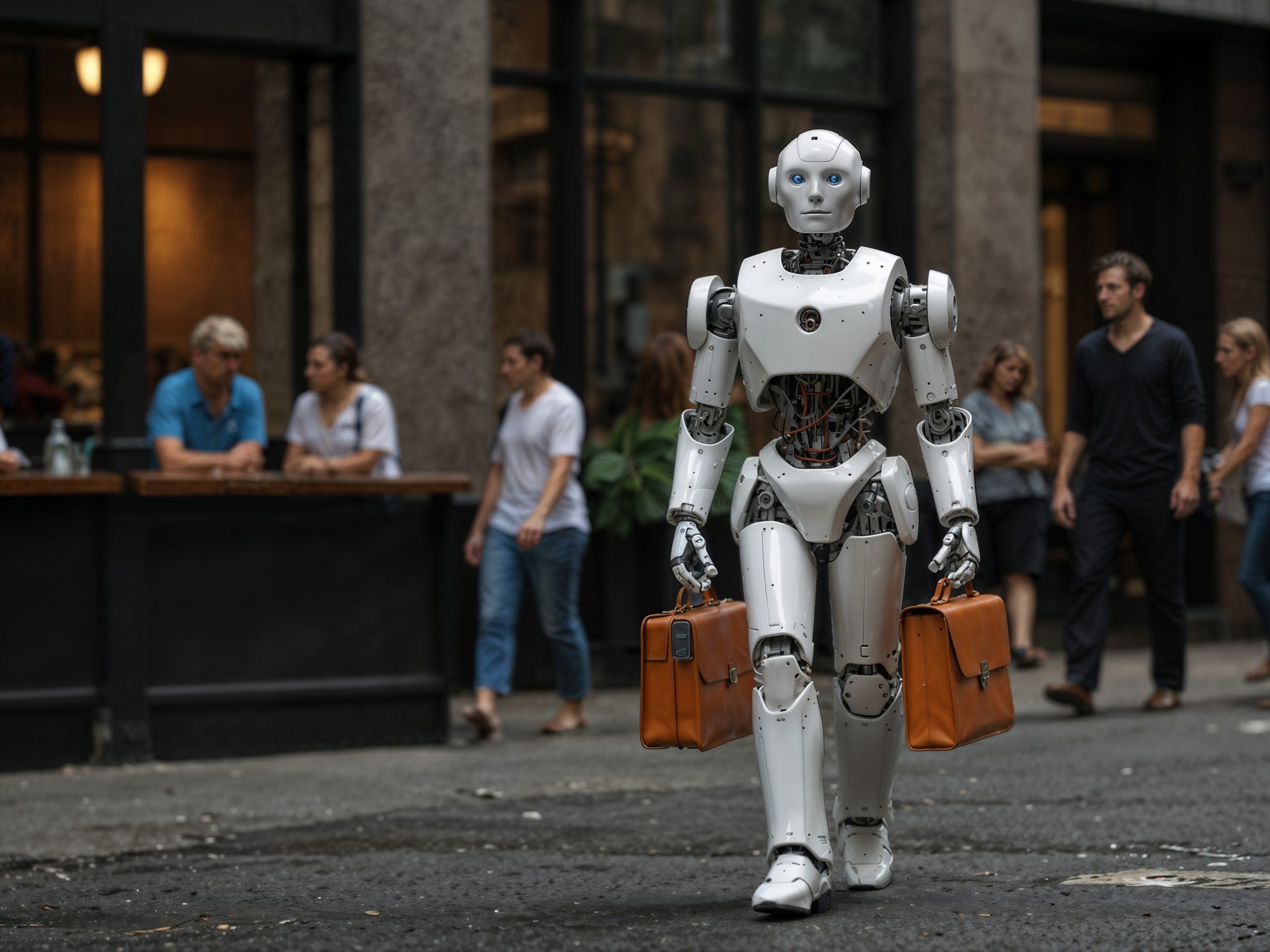
Looking across all 101 roles in this series, a clear pattern emerges. Jobs that will survive AI tend to combine two or more of four specific traits — and understanding them is the real key to spotting future-proof careers in any industry.
The 4 Traits That Define AI-Proof Jobs
1. Physical Unpredictability
Many AI-proof careers involve work performed in constantly changing environments that are expensive or impossible to fully automate with current robotics. A firefighter navigating a collapsing structure or a tugboat operator reading shifting currents faces conditions no sensor array can fully anticipate. Physical adaptability in messy, real-world settings remains a distinctly human advantage.
2. Emotional and Relational Depth
Roles that depend on trust, empathy, and reading subtle human cues rank among the most durable jobs that can’t be replaced by AI. A therapist noticing a shift in body language, or a teacher sensing a struggling student, relies on emotional attunement built through genuine human connection — not pattern recognition alone.
3. High-Stakes Accountability
Some work carries decisions with real consequences that society expects a human to be answerable for. Judges, doctors, and social workers make judgment calls where someone must bear legal and moral responsibility for the outcome. This accountability requirement is a structural barrier to automation, regardless of how advanced the underlying technology becomes.
4. Original Judgment and Creative Direction
The strongest future-proof careers often involve deciding what should exist or what approach to take, rather than executing an existing pattern. A creative director setting a brand’s next direction, or an architect balancing competing constraints, originates decisions — AI can only remix what already exists.
Why AI Struggles With These Tasks
AI is genuinely excellent at work that is repetitive, data-rich, and rule-based. Where it struggles is improvisation in messy real-world conditions, genuine emotional connection, or moral and legal accountability.
Key takeaways:
- Repetitive, rule-based tasks face the highest automation risk
- Physical, unpredictable environments remain difficult to automate reliably
- Emotional trust and accountability are structural, not just technical, barriers
- Original judgment and creative direction stay firmly human territory
- These four traits explain nearly every entry across this entire AI-proof jobs list
Automation Risk Isn’t About Prestige
That’s why a highly credentialed data analyst can face more automation risk than a home health aide, and why routine paperwork inside a law firm gets automated while courtroom argument does not.
Automation risk tracks much more closely with task structure than with education level, income, or prestige. A role’s safety from AI depends less on its salary or status and more on whether it involves unpredictable physical work, emotional trust, high-stakes accountability, or original creative judgment.
Understanding this pattern is the clearest way to evaluate any career’s long-term staying power — and to recognize why the roles covered throughout this series remain some of the most dependable jobs that will survive AI in the years ahead.
How to Future-Proof Your Career
For anyone concerned about AI’s impact on their livelihood, the goal isn’t to avoid AI entirely — it’s to move toward the parts of a job that AI genuinely struggles to replicate.
- Lean into hands-on and interpersonal skills. Careers combining technical knowledge with real, in-person interaction are consistently more resilient than isolated, repetitive digital work.
- Use AI as a tool, not a competitor. Professionals who let AI handle routine tasks free up time for higher-value judgment work, making themselves more effective rather than replaceable.
- Build trust-based relationships. Careers built on an ongoing personal relationship — a regular patient, client, or student — are harder to disrupt than one-off transactional services.
- Develop original judgment, not just technical execution. Knowing what should be done, not just how to do it efficiently, is a durable form of value.
- Stay adaptable. The specific tasks within nearly every job will keep evolving as AI tools improve. Workers who continuously update their skills adjust far more easily than those relying on a fixed skill set.
Will AI Replace Every Job?
No. Absolutely Not.
History shows that new technologies often change jobs rather than eliminate all employment. The internet, computers, and automation transformed workplaces, but they also created entirely new industries.
AI is expected to have a similar effect.
Many professionals will work alongside AI instead of competing against it. Routine tasks will become automated, allowing people to focus on strategic thinking, creativity, and interpersonal relationships.
Frequently Asked Questions (FAQs)
Which job is safest from AI?
Healthcare professionals, skilled tradespeople, teachers, therapists, and emergency responders are among the safest careers because they require empathy, complex decision-making, and physical interaction.
Can AI replace programmers?
AI can help programmers write code faster, but experienced software engineers are still needed to design systems, solve complex problems, and ensure software security.
Are creative jobs safe?
Yes. AI can generate content, but human creativity, storytelling, originality, and artistic direction remain highly valuable.
Should students worry about AI?
Rather than worrying, students should focus on developing adaptable skills, learning technology, improving communication, and embracing lifelong learning.
What industries will grow because of AI?
Industries such as healthcare, cybersecurity, software development, robotics, AI engineering, renewable energy, education technology, and data science are expected to continue expanding.
The Bottom Line:
Artificial intelligence is rapidly transforming the modern workforce by automating individual tasks across almost every industry. However, this comprehensive list of 101 careers that will survive AI proves that automation and human employment are far from a zero-sum trade-off.